June 20, 2025
•
Procurement
•
Philipp Descovich
Why It's Time to Rethink MRO Tail Spend
Tail spend is the long list of small, infrequent purchases spread over many suppliers, each too small to manage on its own. MRO tail spend is mostly spare parts, and it becomes manageable one class of parts at a time.

Every head of procurement knows the shape of the spend. A few large suppliers carry most of the money and get most of the attention: contracts, reviews, negotiations. Behind them runs a long list of suppliers who each received a handful of orders last year. That list is the tail, and in a manufacturing plant much of it is spare parts. For procurement, it has long looked like the part of the spend that isn't worth the effort. It is worth a second look, because the way into it is already in the plant's own part data.
Tail spend is the long list of small purchases outside your main suppliers
Tail spend is the part of a company's spend that is spread over many suppliers in small, infrequent purchases: a small share of the money and a large share of the orders. German buyers often call much of it C-parts, the low-value items at the bottom of an ABC analysis. Nobody manages it on purpose, because no single order seems worth managing, and for years the tools to see it whole were missing.
The effort behind each order is not small, though. In their 2025 Indirect Procurement Report, RS Group and CIPS found that almost six in ten UK procurement teams don't know what processing an order costs, and that where they do know, the average is £89. A tail of thousands of small orders carries that cost on every one of them, before anyone has looked at the price of the part itself.
MRO tail spend is spare parts bought when they are needed
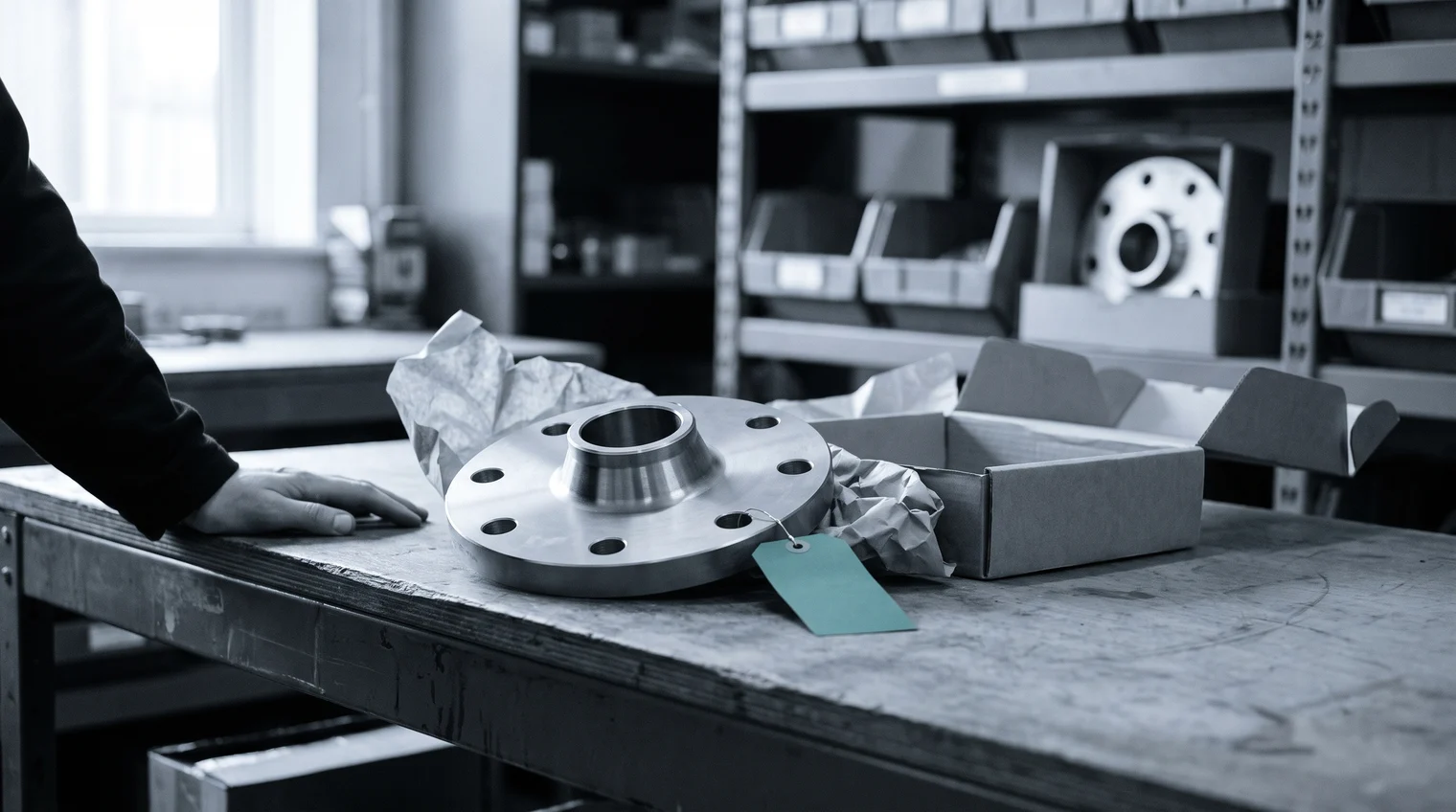
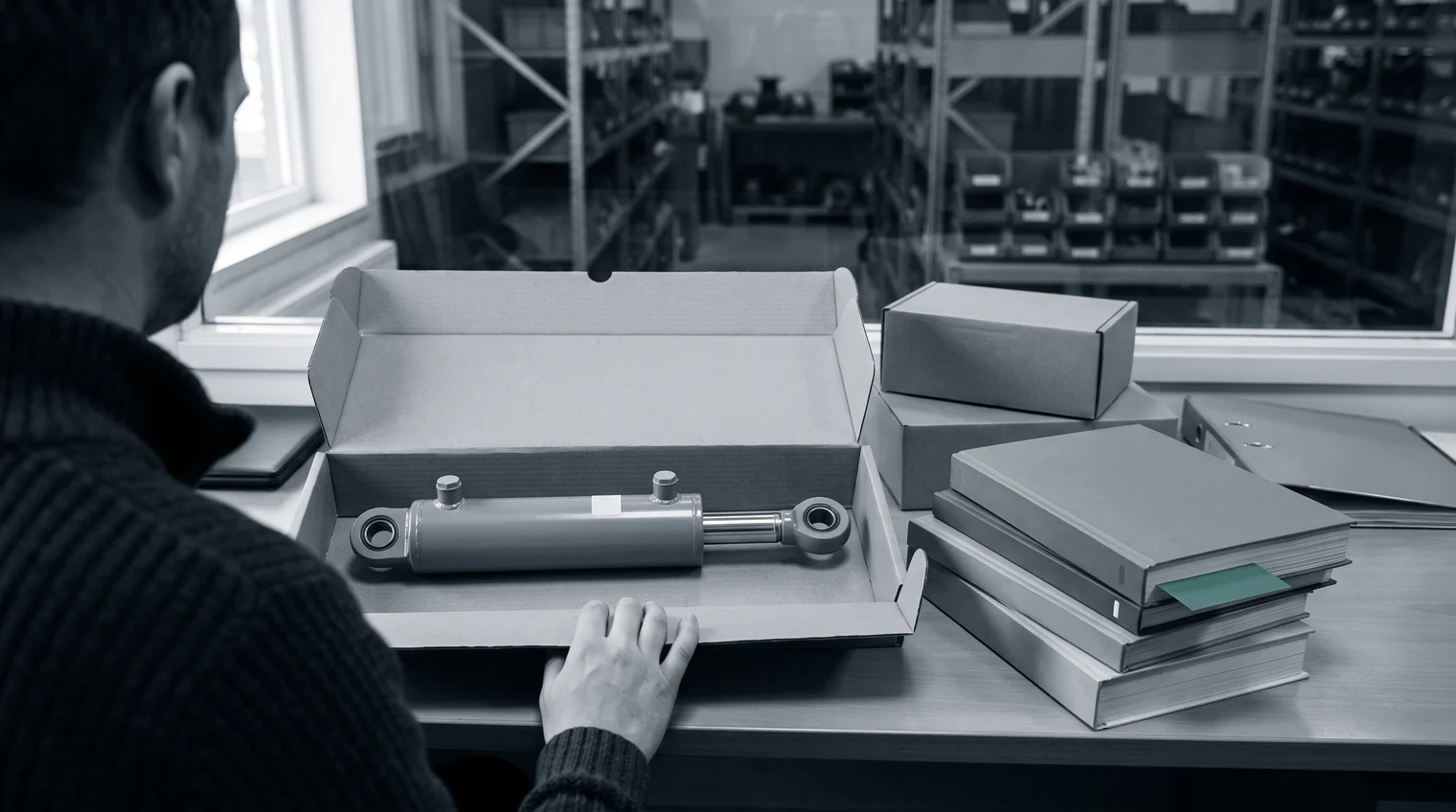
In a plant, the tail has a cause of its own. A plant runs thousands of different spare parts, and most of them are bought rarely: when one fails, when a planned job needs it, when the storeroom runs out. The order goes to whoever can deliver in time, often a supplier the plant has used once before, sometimes one it has never used. Some of those orders bypass purchasing altogether, when the person who needs the part cannot find it in the material master and buys it from the nearest supplier.
The part record makes the tail longer than it needs to be. The same part is often filed several times, under the machine builder's number at one plant and the manufacturer's number at another, each record with its own supplier and its own price. Seen record by record, every one of them is a small purchase from a small supplier. Seen as one part, it may be steady volume that a single supplier would want to keep. Duplicates are one of the hidden costs of poor spare parts master data, and in the tail they hide the leverage as well.
Tail spend management works one class of parts at a time
Rethinking the tail does not mean managing every order. It means making the tail shorter where that is easy and safe. Start by seeing it whole: the spend by supplier and by part, all the way down to the suppliers with one order a year. Then take one class of parts, the one with the most spend or the most suppliers, such as terminal blocks and other electrical components, and look at it as a whole.
Within that class, the buyer sorts the parts by how critical they are, how often they are bought and how easy they are to get. Common, low-risk parts can move to one or two distributors who stock the whole class. Specialist parts may be better bought from their maker directly, once the buyer knows who the maker is. Critical spares stay with the suppliers maintenance trusts: maintenance decides which parts those are, and the buyer works with that decision. Done this way, the number of suppliers for the class comes down, the volume per supplier goes up, and nobody on the plant floor waits longer for a part.

A price reference for every part makes the tail negotiable
The second reason the tail went unmanaged is price. A buyer can negotiate a contract for a few hundred high-value parts, where every price is known and compared. In the tail there is often nothing to compare against: the part was bought twice in three years, from two suppliers, at two prices, and neither price says what the part should cost.
A reference changes that. Once each part in a class carries what it should cost, the buyer can see which prices are fair and which have drifted, and can bring the whole class to a supplier at once, with a number on every line. That is what makes consolidation pay: fewer suppliers, more volume with each, and every price checked against the market. It also makes the next tender for that class quicker to prepare, because the facts are already in place. And when a price moves, as metal prices have this year, the buyer can tell a fair increase from one that isn't.
Partium Cockpit shows the tail and where to start
Partium Cockpit is where procurement takes the tail on, one class at a time. The first step is seeing it whole. See where your spend sits, by category, supplier and part, down to the tail. From there, the buyer picks the class to work on first. Too many suppliers for one class of parts means leverage with none of them. Cockpit shows where to consolidate. For the specialist parts in that class, the buyer needs to know who else can supply them. Supplier Discovery finds who else makes or sells the part, down to the OEM behind a dealer number. And for every part that stays in the class, the price gets its yardstick. Price Benchmark tells you what a part should cost, so every price you pay has a reference.
To see your own tail, class by class, book a demo and ask for the demo license on your own catalog.
See it on your own catalog.
Book a demo, or start with a demo license.