October 15, 2026
•
Procurement
•
Philipp Begala
Spare Parts Lead Times: Check Today's Before You Promise a Date
The spare parts lead time in your material master was set once, when the part was created, and every promise to maintenance still reads it. For the parts your plant cannot run without, check it against today's before anyone relies on it.
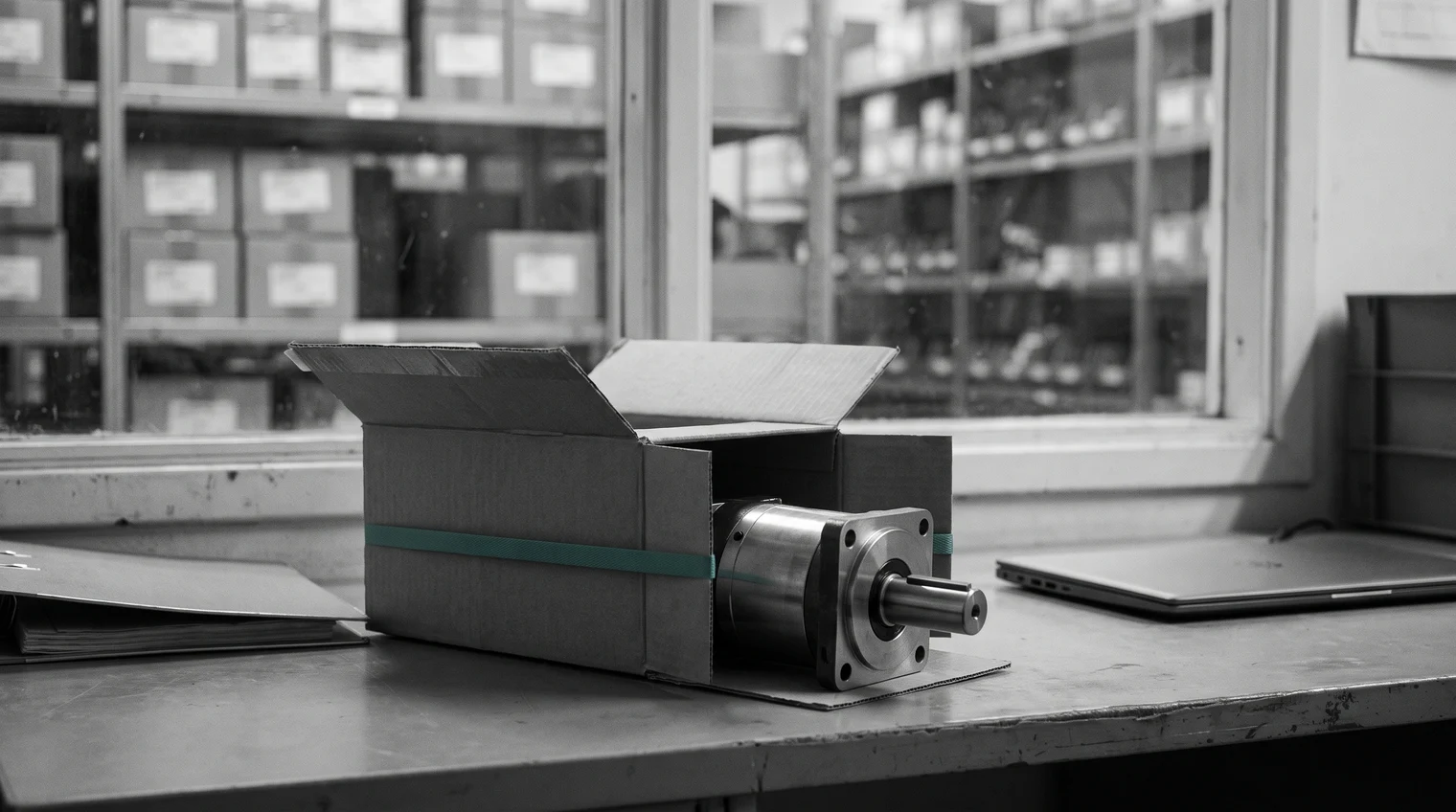
A cartoning machine stops on a Tuesday morning, and the technician traces the fault to the planetary gearbox on its main drive. The storeroom has none on the shelf. The material master says ten days, so the buyer tells maintenance the gearbox will arrive by the end of next week. Then the supplier calls back with sixteen weeks, and adds that the maker is phasing the gearbox out. Everyone in that exchange read the number the record gave them, and the number was years old.
The lead time in the record was set once and has been read ever since
In SAP, the number the buyer read is the planned delivery time, a field in the MRP 2 view of the material master, counted in days. It is filled in when the material is created, often from a dealer's quote on the day, a default or a best guess, and few plants have a routine for touching it again. Every planning run reads it, and so does every date procurement gives maintenance. That is how a planetary gearbox first bought against a dealer's ten days still carries ten days today, while the maker's own answer has moved to sixteen weeks.
The habit has a known cause. A 2025 study at the Technical University of Denmark found that when spare parts data is spread across several IT systems and departments, the people deciding tend to fall back on what they already know and on simple rules, because gathering the data takes too long. A lead time fits that pattern well. The current number exists, at the maker or with another supplier, but finding it takes calls and emails, while the record is one click away. Maintenance asking late and procurement ordering late are both reasonable answers to a record that nobody is asked to keep current.
The cost of that gap lands on the people who trusted the number. Maintenance plans a repair around a date that will not hold, and the buyer has to go back with a second date and an explanation. Over time both sides learn to discount what the other says, which makes the next breakdown slower still. A spare parts lead time that is checked against today's quote changes the conversation: the buyer can give maintenance a date with its source, and maintenance can plan the stop around it.
A spare part has three lead times, and the record holds the oldest
The planetary gearbox shows that "what is the lead time?" has more than one answer. The first is the one in the record, which planning and promises use. The second is the one the maker or another supplier gives today, which is how long the part will actually take. The third is no lead time at all: when a sister plant already holds the part, the wait is the time it takes to move it. Of the three, the record's number is usually the oldest and the most used.
A fourth case sits behind the others. When a part is no longer made, its lead time turns into a last order date, and the question becomes how many to buy before that date, which is the subject of last-time buys. The planetary gearbox is heading there: its maker still quotes sixteen weeks, and phasing out means that quote has an end. For the cartoning machine, the useful answer that Tuesday was the third one. The sister plant's gearbox went onto a truck, a reorder went out at today's lead time, and the buyer started looking for potential alternatives while the maker still supports the gearbox.

Keep the spare parts lead time true where a line depends on it
Checking every lead time in a material master is a project nobody funds, and most parts do not need it. A pack of cable ties that arrives in two days or two weeks rarely stops a line. The lead times that matter are the long ones on the parts a machine cannot run without, the critical spares that maintenance names. So maintenance's criticality sets the order of work: start with the critical parts, and among them, with the longest lead times in the record.
Four moments keep those numbers honest. The first is creation, because a part that enters the master with its suppliers and today's lead time starts out true. The second is a planned review, in which the critical spares are checked against what the maker and other suppliers quote now. The third is the moment a part starts running out at its maker, when the lead time is about to become a date. The fourth is the breakdown itself, when the repair waits for the part decision and the shortest lead time may be another plant's shelf.
Partium Cockpit keeps the lead time current at all four moments
Partium Cockpit puts today's lead time beside the record at each of those moments, starting when the part is created, so the first number in the record is a current one. Material Creation gives each new part its suppliers, lead times, a price reference and its lifecycle status. For the critical spares under review, the buyer no longer calls each maker in turn. Select the parts, and Partium Agent finds their suppliers and lead times, what each should cost, and whether it is still made. That is where the planetary gearbox's phasing out would have shown up before the breakdown, and Obsolescence Monitor turns it into a deadline. It gives the date that matters, while there's time to plan. On the Tuesday itself, the sister plant's gearbox is easy to see, and the buyer can offer maintenance a date that holds. One search shows where the part is stocked, at every plant, so you find it before you buy it again.
Start this week with twenty parts. Pull the critical spares with the longest lead times in your material master, ask their makers and one other supplier for today's figure, and put the two numbers side by side. Where they differ, you have found a promise your plant could not have kept. To run the same check across your whole catalog, book a demo and see it on our demo catalog, or on a sample of your data.
See it on a catalog like yours.
We show you Partium live, on our demo catalog or on a sample of yours.